
Silhouette Photography: The Mystery of Shadows
John 1:5
“The light shines in the darkness, yet the darkness did not overcome it.”
John 1:5 reminds us that light shines in darkness and darkness cannot overcome it.
In photography, light helps us see shapes, details, and beauty. Even when our subject appears dark, the light behind it creates something beautiful.
Just as light changes a photograph, Yeshua brings light into our lives!

What Is Silhouette Photography?
Have you ever seen a picture where a person or object looks completely dark, but the background is bright and colorful?
That is called a silhouette!
A silhouette happens when the light is behind your subject instead of in front of it. The camera captures the subject as a dark shape against a brighter background.
Silhouette photography is a fun way to create mysterious, dramatic, and creative pictures!
How to Take a Silhouette Photo
-
Find a bright background. A sunset, window, or bright sky works great.
-
Place your subject in front of the light. Have a friend stand between your camera and the bright background.
-
Focus on the shape. Make sure you can clearly see the outline of your subject.
-
Adjust the brightness. Tap the bright background on your phone and lower the exposure until your subject becomes dark.
-
Take your picture! Try different poses and angles.
What Makes a Great Silhouette?
Clear shapes
Make your subject easy to recognize.
Good spacing
Keep subjects from overlapping too much.

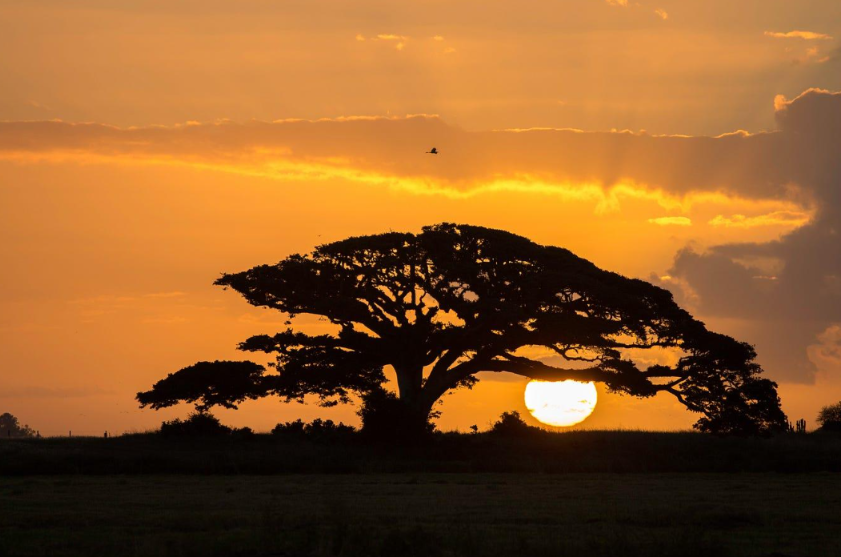

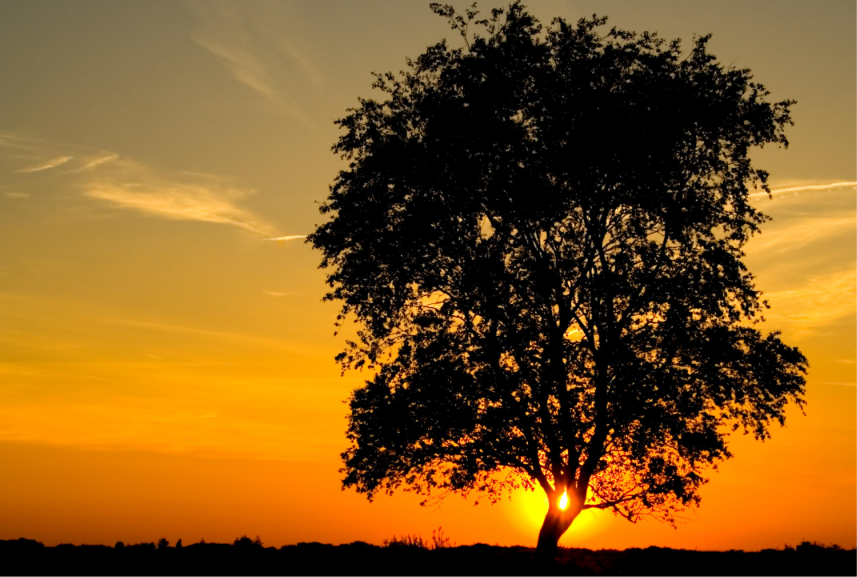

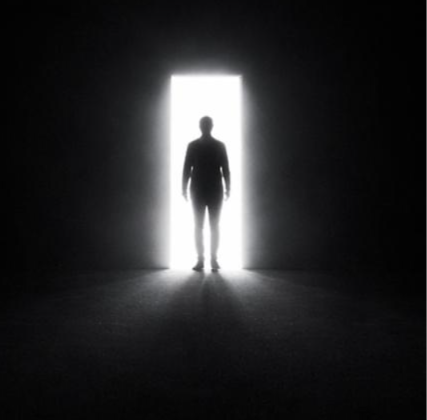
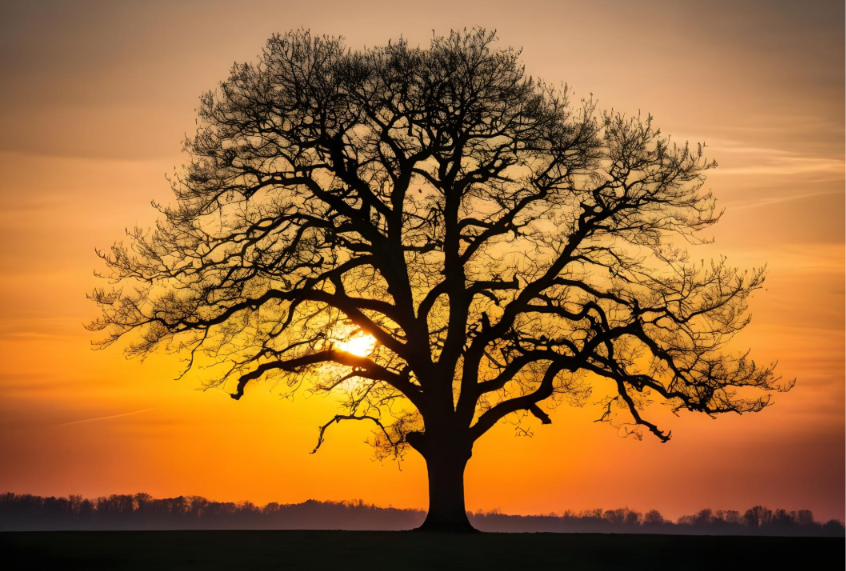

In-Class Game: Mystery Silhouette!
Can you guess what something is just by looking at its shadow?
How to Play:
-
Divide into small groups.
-
Each group chooses an object or creates a pose.
-
Take a silhouette photo without showing the object's details.
-
Show the photo to the class.
-
Everyone guesses what the silhouette is!
Bonus Challenge: Can you create a silhouette that looks like something completely different?
Homework: Capture One Silhouette
Take one creative silhouette photograph using a phone or camera.
Your photograph should have a bright background, a dark subject, and a recognizable shape.
Be ready to show your photograph in class and explain how you created it!
Remember: Sometimes the most interesting photographs are the ones that don't show every detail.